Why Waterjet Leaves No Heat Affected Zone, and When That Matters
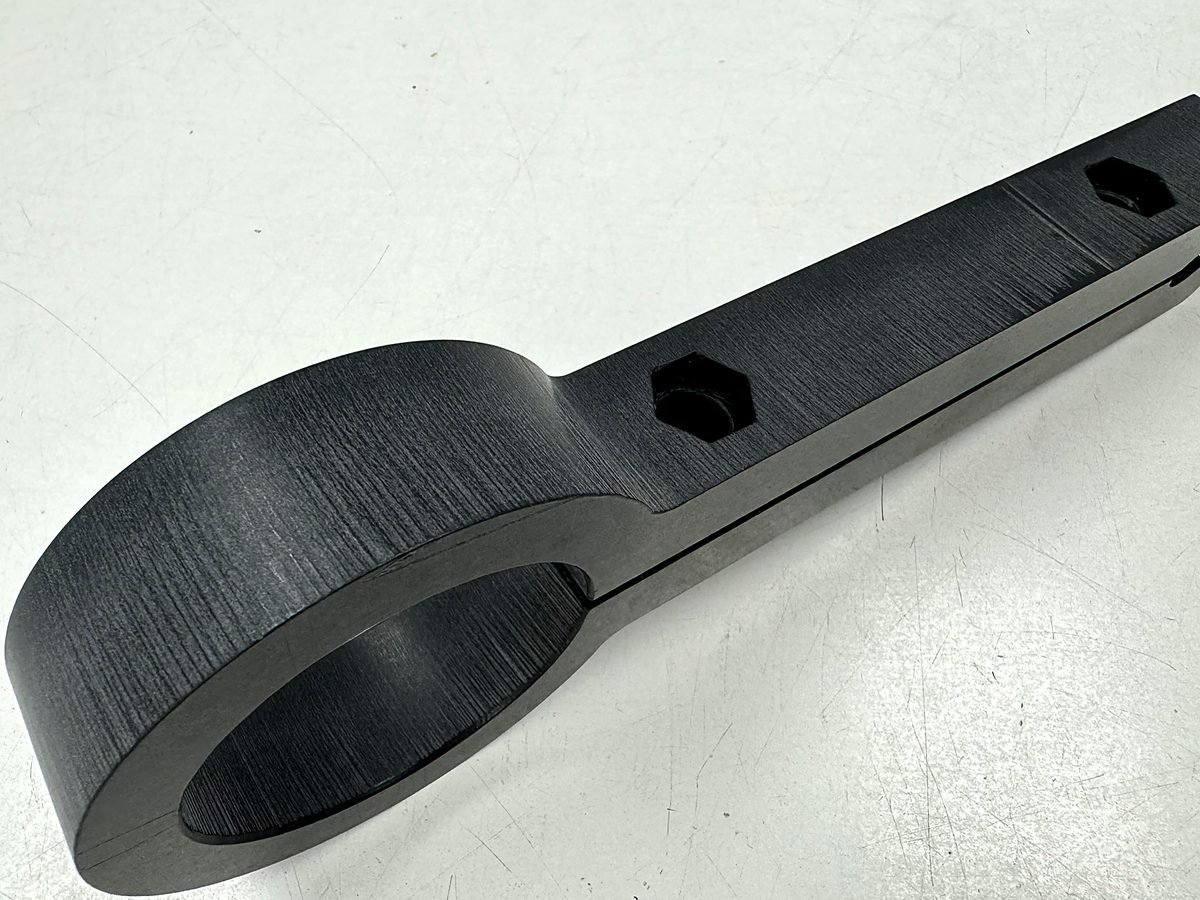
Laser and plasma cut with heat. A waterjet cuts with a stream of water and garnet moving fast enough to erode metal cold. That one difference decides a surprising number of parts, and knowing when it counts keeps you from paying for it when it does not.
This guide explains what a heat affected zone is, why the waterjet skips it, the specific cases where the cold cut protects a property you are paying for, and the cases where a laser is still the smarter call.
What a heat affected zone actually is
A laser melts a narrow path through the metal, and the material right beside that path heats up and cools quickly. That band is the heat affected zone, usually shortened to HAZ. Inside it, hardness, grain structure, and temper can shift. On a plain painted bracket, none of that matters. On a part where the edge does real work, it can matter a lot.
The zone is often thin, sometimes only a few thousandths wide, but it is real. It is where a hardened material can soften, a tempered material can lose its temper, and a polished surface can discolor. Whether that is a problem depends entirely on what the part has to do after it is cut.
Why the waterjet skips it entirely
Abrasive waterjet removes material by erosion, not melting. Fine garnet abrasive carried in a high pressure water stream wears through the metal grain by grain, and the water carries the heat of friction away as it goes. The workpiece stays close to room temperature the whole time.
Because nothing melts, there is no melted edge, no rehardened skin, no discoloration, and no burnt zone to machine away later. For most downstream work the cut edge is ready as it comes off the machine. That is the core reason heat sensitive and critical parts route to the waterjet even when a laser could technically make the cut.
When the difference is worth paying for
Reach for the waterjet when heat would change the part:
- Heat treated or tempered stock you do not want to soften at the edge.
- Parts welded right at the cut edge, where a pre existing HAZ complicates the weld.
- Hardened tool steels and spring materials, whose whole value is a controlled hardness.
- Reflective metals like copper and brass that fight a laser and cut cleanly cold.
- Thick aluminum, where a laser tends to leave dross along the bottom edge.
- Thin panels and long profiles that must not warp from concentrated heat input.
In every one of those cases the cold cut protects a property you are paying for. If you are not sure whether your material is affected, it is safer to assume it is and say so on the quote.
Why warping is its own reason
Heat does not only change metallurgy, it moves metal. Pour concentrated heat into a thin sheet or a long slender profile and it can bow or twist as it cools, so a part that was flat on the table is no longer flat when it comes off. The waterjet puts almost no heat into the workpiece, so thin and long parts come off flat and stay flat.
What the cold cut saves downstream
The benefit is not only metallurgical, it is practical. A cold cut edge tends to arrive ready for the next step, which removes work that a hot edge would add:
- No burnt skin to machine off before the edge can be welded, bonded, or coated.
- No rehardened band that would dull a tap or a countersink cutter working near the edge.
- Clean, consistent stock for parts that will be finished or coated, since there is no discoloration to blend out.
On a heat treated or hardened part, that saved step is often the whole reason to choose the waterjet. If the part also needs threads or hardware after cutting, keeping the edge unhardened makes those tapping and insertion operations behave predictably.
When laser is still the right call
Most mild steel and aluminum brackets, within the laser thickness limits, are a better fit for the laser, where speed and cost win and the small HAZ never comes into play. If the part is painted or powder coated, or the edge is not a working surface, the laser edge is perfectly good and usually cheaper.
The heat affected zone is a reason to choose the waterjet, not a reason to fear the laser. On the large majority of general fabrication, the HAZ is narrow, harmless, and hidden under finish. The full side by side is in waterjet or laser, how to pick the right cutting process.
The ACP answer is both
Because ACP runs the waterjet and laser under one roof, you do not have to force one process onto every part. We route heat sensitive and thick parts to the waterjet and fast thin parts to the laser, often on the same order. You pick the outcome, we pick the machine. When thickness is the deciding factor rather than heat, see cutting thick metal, where waterjet pulls ahead.
For the machine specs, tolerances, and material notes behind the waterjet, the Waterjet Cutting guidelines lay it all out, and the Waterjet Cutting service page covers what the process is best at.
Quick checklist
- Edge gets welded, heat treated stock, or temper critical: waterjet
- Hardened tool steel or spring material: waterjet
- Reflective copper or brass: waterjet
- Thick aluminum you want free of dross: waterjet
- Thin or long part that must not warp: waterjet, and flag flatness
- Painted or powder coated bracket within laser range: laser
- Not sure if heat matters: assume it does and note it on the quote