304 vs 316 Stainless: Which Grade to Cut
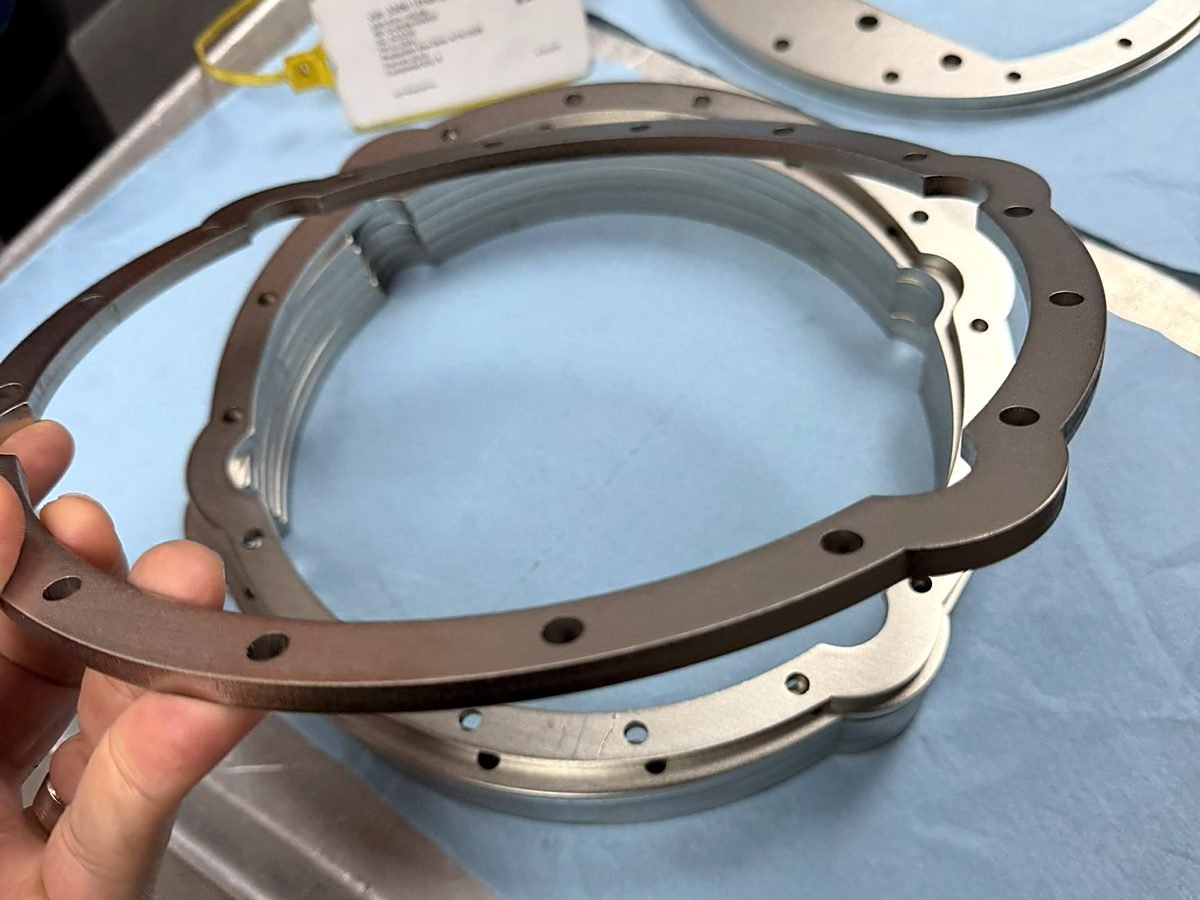
For stainless sheet metal the decision usually comes down to two grades. 304 is the default that handles most of the work. 316 is the one you reach for when chlorides, salt, and chemistry turn aggressive. This guide covers where each earns its place, how they form and cut, and why the choice is really about the environment the part lives in.
Both grades come off the same stocked shelf, so either prices instantly in the quote portal. If you have not settled on stainless at all yet, start with how to choose the right metal for your part, then use this page to pick the grade.
304 is the workhorse
304 is the most common stainless for good reason. It has excellent corrosion resistance for indoor and general outdoor use, good formability and weldability, and it costs less than 316. That combination covers the large majority of enclosures, brackets, panels, frames, and trim. Unless the part sees something harsher than rain and humidity, 304 is the right starting point.
ACP stocks 304 from 0.030″ to 1/2″, which spans thin formed sheet all the way up to structural plate.
316 is corrosion insurance
316 adds molybdenum, and that one change sharply improves resistance to chlorides, salt spray, and many chemicals. Where 304 will eventually pit and stain, 316 keeps its surface. That makes it the standard choice for marine and coastal hardware, medical and pharmaceutical parts, food processing, and chemical exposure.
The premium is real, so treat 316 as insurance you buy on purpose. ACP stocks 316 from 16 GA (0.060″) to 1/2″.
Medical, food, and cleanability
Stainless, and 316 in particular, runs throughout medical, food, and pharmaceutical work because it stands up to repeated washdown and harsh cleaning agents without breaking down. The surface stays smooth and non reactive, which is exactly what those settings demand.
- Parts that get cleaned aggressively or sanitized on a schedule lean toward 316.
- Anything near patients, product, or sterile process usually specifies 316 by policy.
- For general lab and clinic hardware that only sees mild exposure, 304 is often still fine.
If this is your world, the medical device page covers how ACP handles prototype and low volume work in these grades.
Both cut cold on the waterjet
Stainless can be laser cut within thickness limits, and for thin sheet the fiber laser is fast and clean. But the waterjet cuts stainless cold, with no heat affected zone, which keeps the corrosion resistance intact right at the cut edge. On a corrosion critical part, a heat affected edge is exactly where pitting can start, so the cold cut protects the property you paid for.
On thick plate or on any part where the edge has to hold up in a harsh environment, choosing the waterjet is a deliberate call, not an afterthought. The full explanation is in why waterjet leaves no heat affected zone.
Forming stainless
Stainless is stiffer than mild steel and springs back more when it is bent, so forming it takes a little planning:
- Bends need a bit more allowance and tend toward a slightly larger inside radius.
- The extra springback means angles are pushed a touch past target to land on the number.
- Standard forming tolerances still apply: ±0.030″ on flange dimensions and ±1° on bend angles.
304 and 316 form very similarly, so the grade choice does not change how you design the bends. What matters is calling out thickness in decimals, since the same gauge is a different thickness across materials. The sheet metal gauge chart has the numbers.
What 316 costs, and when it is worth it
316 costs more than 304, and the gap is real enough that you should spend it on purpose rather than by default. The way to think about it is exposure over the life of the part, not the price of the blank:
- Worth it when a 304 part would pit, stain, or fail early and have to be replaced. The upgrade is cheaper than the second part.
- Worth it when a specification, a customer, or a regulated setting simply requires it. There the choice is already made.
- Not worth it when the part lives indoors or sees only rain and humidity. 304 will last, and the extra spend buys nothing you can measure.
Thickness and quantity move the total far more than the grade, so once you know the environment, price the part and let the geometry drive the number. The fastest comparison is to quote it both ways in the quote portal.
When stainless is the answer to a rust problem
Sometimes the real question is not 304 versus 316 but stainless versus a coated steel part. When a carbon steel part keeps rusting in the field, switching it to stainless removes the coating step and the maintenance entirely, because there is nothing to chip and nothing to touch up. It costs more up front and can be cheaper over the life of the part. That trade is laid out in how to keep cut steel parts from rusting, and if the load is light enough, a non rusting aluminum part is worth pricing too.
Quick chooser
- Indoor or general purpose: 304
- Rain and humidity, nothing harsh: 304
- Marine, coastal, or salt exposure: 316
- Medical, pharmaceutical, or food washdown: 316
- Chemical contact or pool chemistry: 316
- Thick or corrosion critical: cut it on the waterjet
- A rusting steel part in the field: switch it to stainless